
Inspired and Recharged: Reflections from Phius Con 2025
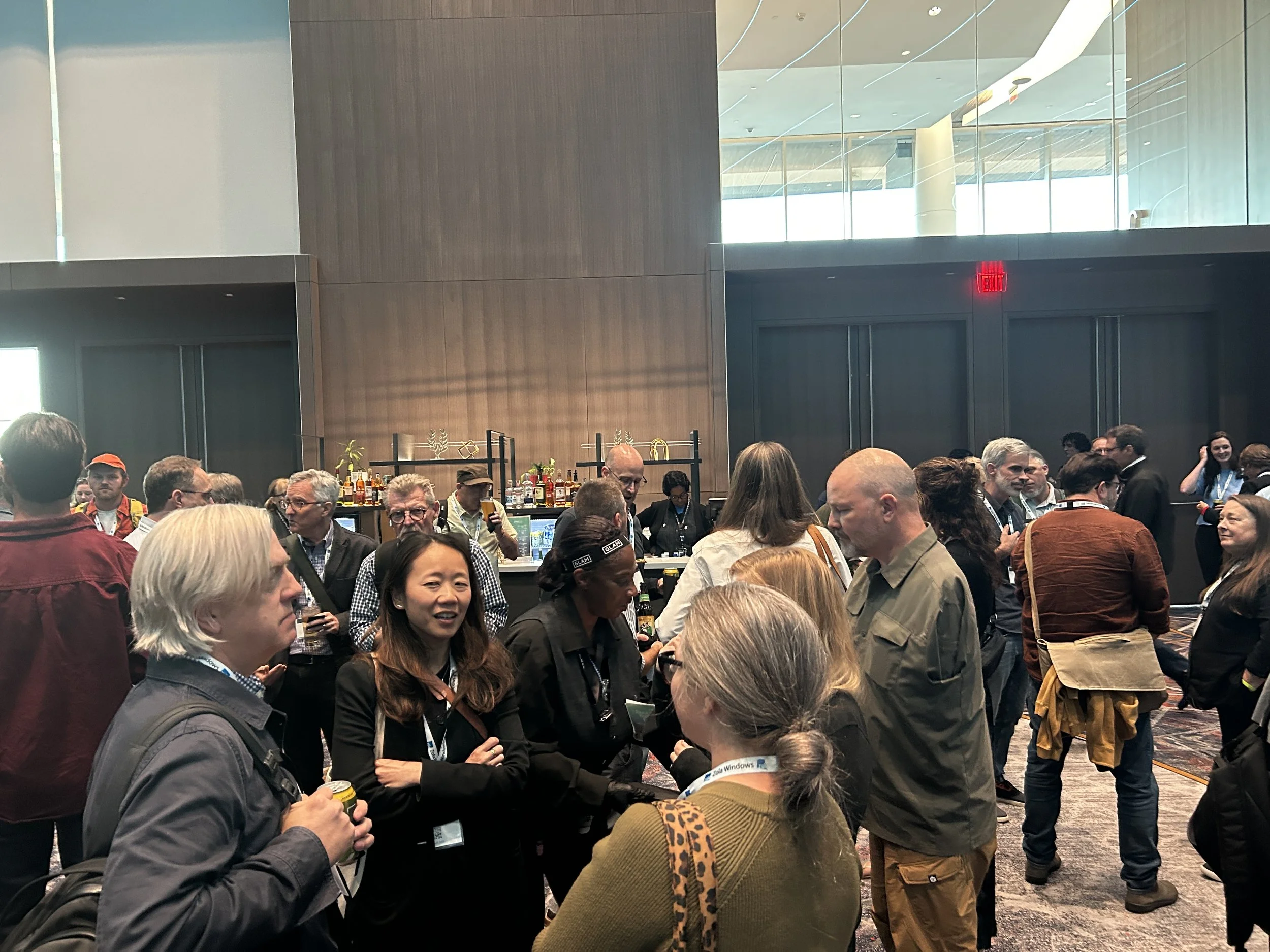
I just wrapped up three incredible days at Phius Con in Milwaukee, and I'm leaving with a renewed sense of purpose and excitement about the work we're doing in the passive house movement. There's something powerful about gathering with hundreds of professionals who share the same mission: designing and building high-performing, healthy, durable, and resilient buildings that truly serve the people who live in them.
Why This Work Matters More Than Ever
Every session reinforced what drew me to passive house in the first place—this isn't just about energy efficiency or hitting certification targets. It's about fundamentally rethinking how we build to create spaces where people thrive, communities become more resilient, and our impact on the planet shifts from extractive to regenerative.
As a Phius Certified Passive House Builder, I've seen firsthand how these buildings perform differently. But Phius Con reminded me that we're part of something much larger—a movement that's actively reshaping the building industry from the ground up.

Sessions That Sparked New Ideas
Several presentations stood out as particularly thought-provoking and will directly influence how I approach projects moving forward.
Passive House as Climate Adaptation Infrastructure
Michael LeBeau's session on "Passive House Buildings as Climate Adaptation Infrastructure" reframed how I think about resilience. We often talk about passive buildings in terms of energy performance, but LeBeau made a compelling case for viewing them as critical infrastructure—buildings that can maintain livable conditions during extreme weather events when the grid fails.
With climate change accelerating, this perspective shift is crucial. When we design buildings with superior insulation, airtight envelopes, and thoughtful solar orientation, we're not just reducing carbon emissions—we're creating shelter that protects occupants during heat waves, cold snaps, and power outages. The discussion of EV integration as backup power added another layer of possibility for true energy independence and community resilience.
This session has me thinking differently about client conversations. We need to help people understand that passive house design is climate adaptation, not just climate mitigation.
Making Specs Work for High Performance
Maria Raggousis from Simpson Gumpertz & Heger delivered an incredibly practical session on "Sustainable Specs: Implementation of Passive House Goals." As anyone in this field knows, the gap between design intent and constructed reality is where projects often falter.
What resonated most was her emphasis on setting clear expectations from the beginning, particularly around high-performance envelopes. She walked through real-world scenarios showing how passive building design influences specifications across all three CSI spec sections, making the approach feel more accessible rather than overwhelming.
This session reminded me that achieving certification isn't about making building more complicated—it's about being more intentional and systematic in how we communicate requirements. That clarity benefits everyone on the project team.
Prescriptive Pathways in Action
Elizabeth Turner and Azad Lassiter's presentation on "Prescriptive Pathways: Lessons from 9 Phius Homes in Minneapolis" was exactly the kind of case study I needed to see. They shared the journey of delivering nine Phius Certified affordable homes, including the strategic decision to switch to the Phius Prescriptive Path.
What impressed me most was their transparency about what worked, what didn't, and how they refined their approach through two project phases. The post-occupancy insights were particularly valuable—it's one thing to achieve certification, but another to understand how buildings perform once people are living in them.
Their work proves that passive house principles can be successfully applied to affordable housing at scale. That's not just inspiring—it's essential if we're going to address housing equity and climate goals simultaneously.
Scaling Up: Middle-Scale Housing Lessons
The session by Jim Kumon and Dan Whitmore on "Adapting Phius Best Practices for Middle-Scale Housing" opened my eyes to the unique challenges and opportunities in multi-unit buildings. Hearing from professionals who've worn multiple hats—development financing, modeling, design, and construction—within vertically integrated delivery teams provided invaluable insights.
Their examination of tradeoffs in Seattle and Minneapolis projects highlighted how passive house principles translate (and sometimes need adaptation) when moving from single-family to multifamily scale. The all-electric focus aligned perfectly with where the market is heading, and their practical experience will inform how I approach larger-scale opportunities.
About Parsons' Healthy Materials Lab: Parsons' Healthy Materials Lab provides architects and designers with tools and methods to make healthier building product choices while being mindful of cost and broader sustainability considerations. The Lab brings together experts from materials science, design, sustainability, and public health to develop strategies that improve the overall health profile of everyone involved in the built environment.
The Power of Community
Beyond the individual sessions, what struck me most was the community itself. The conversations in hallways, over meals, and during networking breaks were just as valuable as the formal presentations. Everyone—from architects and builders to engineers and product manufacturers—was generous with their knowledge, honest about their challenges, and eager to problem-solve together.
This collaborative spirit is what makes the passive house movement different. We're not competing to hoard trade secrets; we're working together to transform an entire industry. That kind of collective momentum is rare and incredibly energizing.


Moving Forward with Purpose
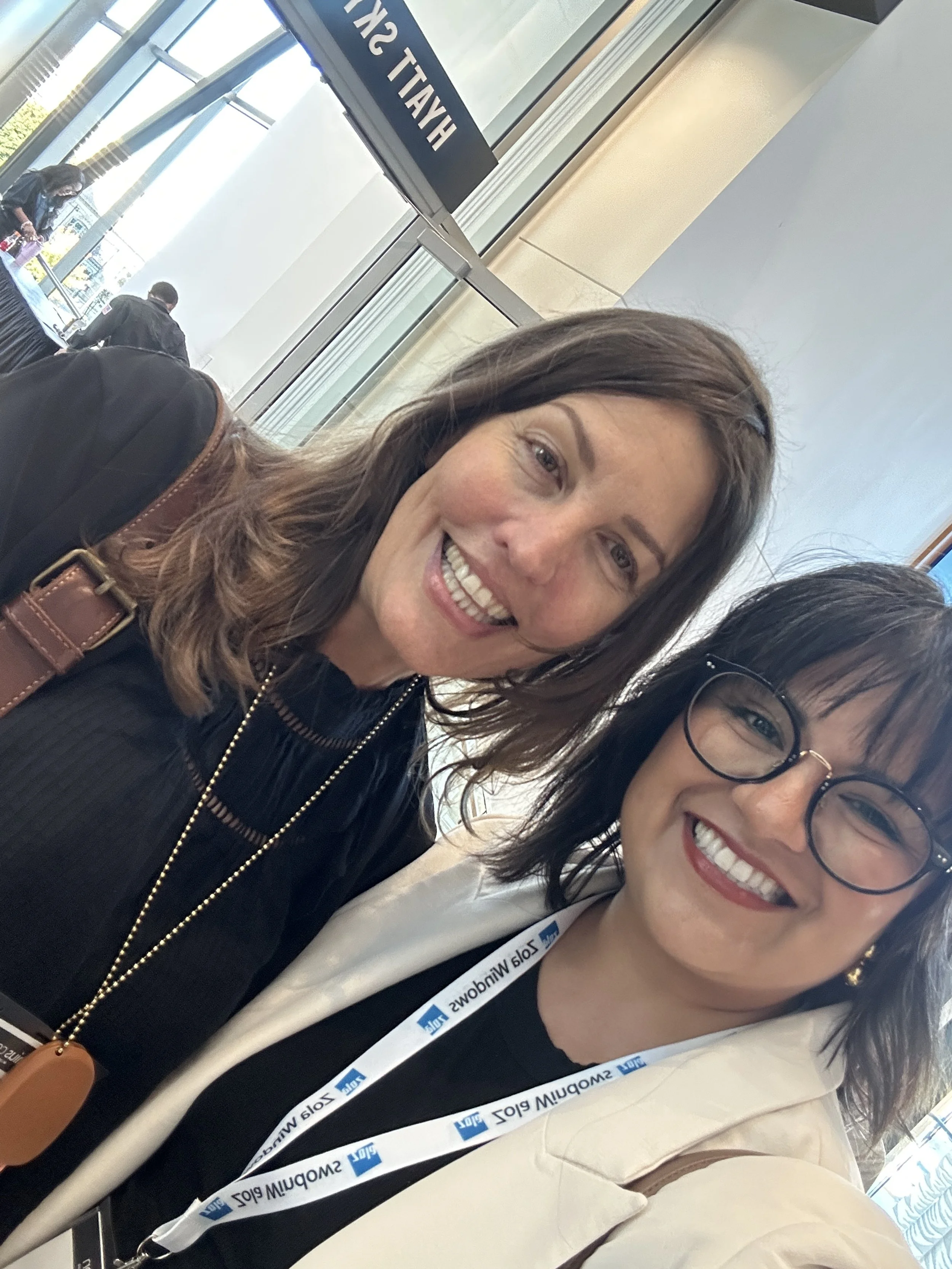
I'm returning home with pages of notes, new connections, and a clearer vision for how to help my clients achieve their goals. The technical knowledge I gained will make me a better builder, but more importantly, the inspiration I drew from seeing what's possible will make me a better advocate for this way of building.
One significant step I took at the conference was joining the Reimagine Buildings Collective. This group brings together builders, designers, and changemakers driven to create healthy, climate-ready buildings so that we can share hard-won lessons, level up our practices, and build the networks we need to thrive. It's exactly the kind of collaborative learning environment that will keep pushing me forward and connect me with others doing this critical work.
To everyone designing, building, and living in passive houses: this work matters. Every airtight detail, every thermal bridge eliminated, every ventilation system properly commissioned—it all adds up to buildings that protect human health, enhance resilience, and demonstrate what's possible when we build with intention.
Changing the building landscape takes all of us. After three days at Phius Con, I'm more convinced than ever that we're on the right path.
Here's to building better—together.
What questions do you have about passive house? Whether you're a homeowner considering a high-performance build or a professional looking to expand your expertise, I'd love to hear from you.
